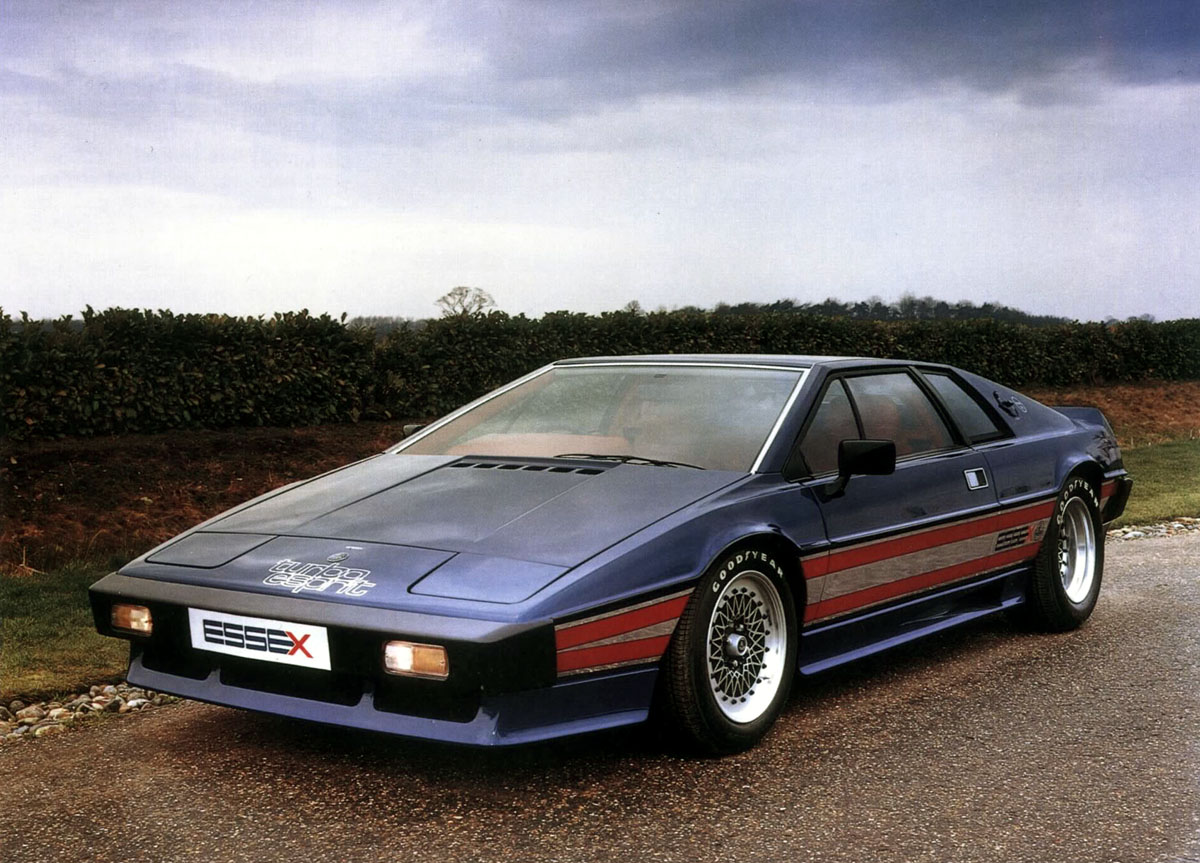
It was born on the drawing board of Giorgetto Giugiaro, from the mind of Colin Chapman and the craftsmanship of a small factory in the English county of Norfolk. The Lotus Esprit was presented to the world as a concept in 1972 and went on to become one of the longest-running sports cars in British history. From the first S1 in 1976 to the very last Final Edition that left the Hethel factory on 20 February 2004: this is the story of the Esprit.
The beginning: Giugiaro and Chapman
The Esprit began as a design on paper, not as an engineering brief. When Colin Chapman met Italian designer Giorgetto Giugiaro in 1971, it was at the initiative of Lotus stylist Oliver Winterbottom. Giugiaro was working on his Maserati Boomerang concept at the time and drew inspiration from it for a new Lotus model. Internally, the project was dubbed M70 — a successor to the Lotus Europa.
In November 1972 the result was unveiled at the Turin Motor Show: a sleek, silver mid-engined coupé with flat, sharply cut body panels. Giugiaro himself called his style the “folded paper” design. The public reaction was overwhelming. The final production version remained remarkably close to that first concept. After further development, the Esprit was officially presented at the Paris Motor Show in October 1975, and in June 1976 production began in Hethel.
Series 1 (1976–1977)
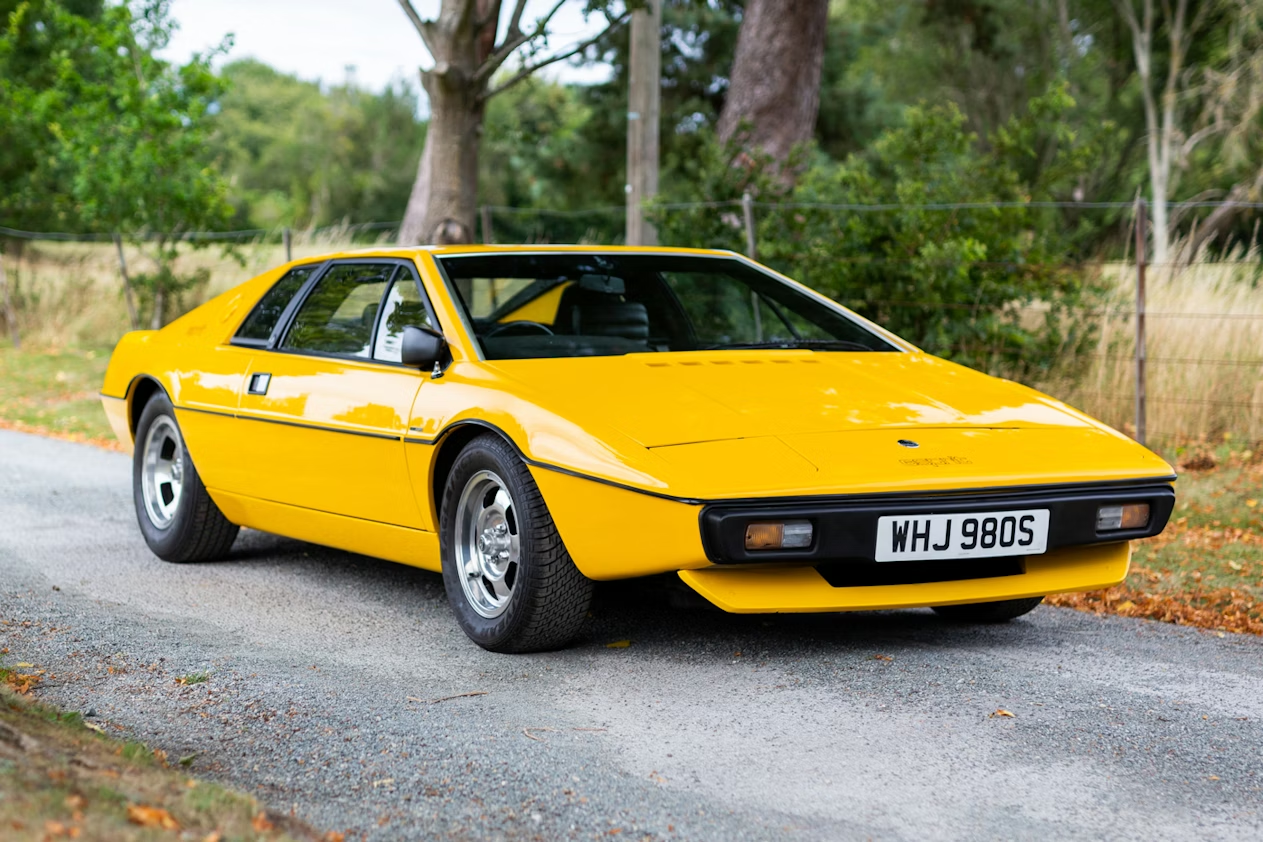
The first Esprit weighed less than 1,000 kg and was powered by a 2.0-litre Lotus 907 engine producing 160 bhp. The fibreglass body was mounted on a steel backbone chassis, a construction Lotus had used on earlier models. The gearbox came from Citroën — the same unit found in the SM and the Maserati Merak. The S1 was raw, pure and fast, but also fragile, cold in winter and unbearably hot in summer due to the engine sitting directly behind the driver.
In 1977 the Esprit made its film debut in the James Bond film The Spy Who Loved Me, doubling as a submarine. The publicity was enormous and cemented the Esprit firmly in the public imagination. A total of 864 S1s were built.
Series 2 and S2.2 (1978–1981)
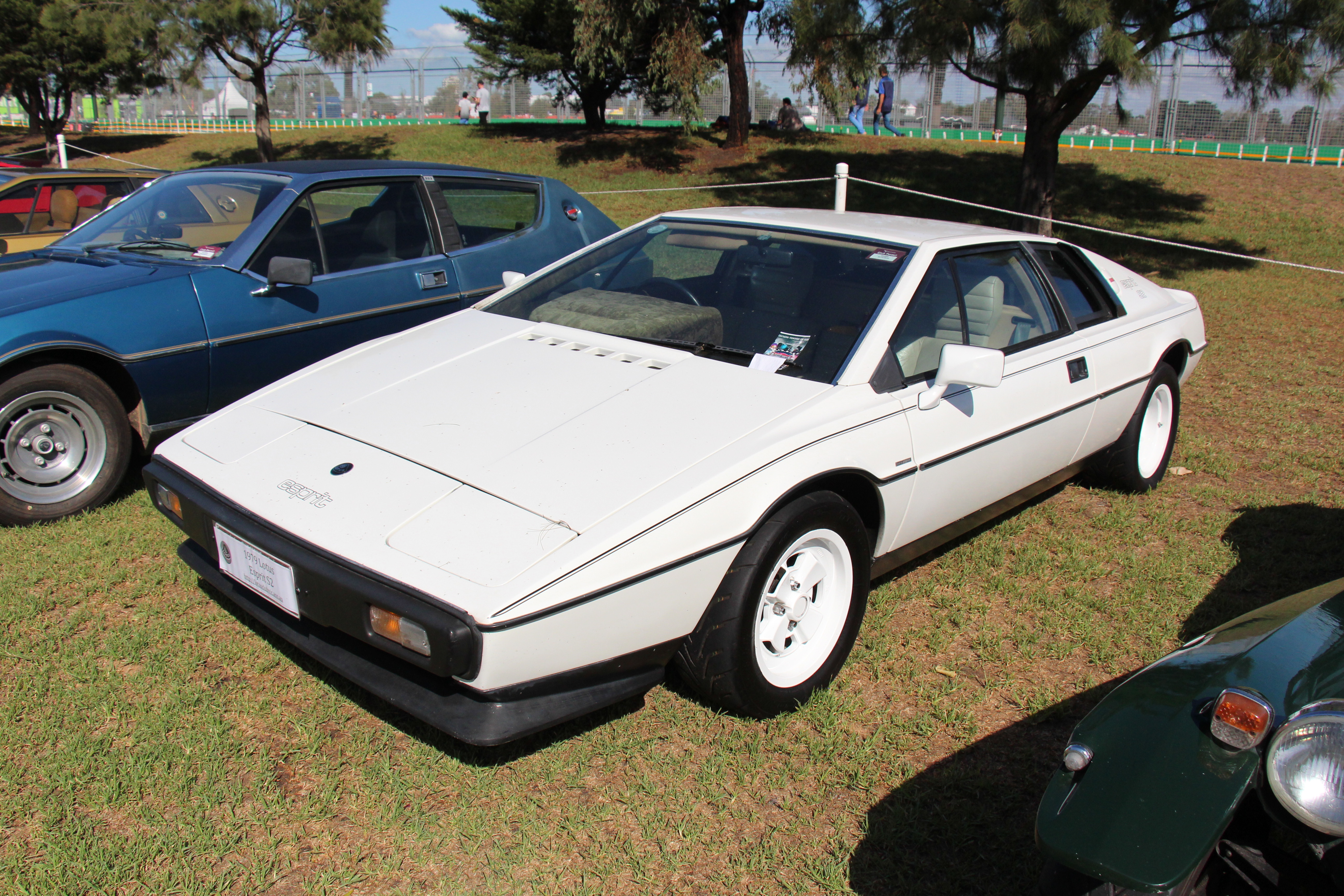
The S2 brought refinement where the S1 was still rough around the edges. The interior became more comfortable, ventilation was improved and the bumpers were adapted to meet American safety regulations. Externally the changes were subtle — Giugiaro's basic shape remained untouched.
In 1978 a special edition appeared in the black and gold livery of John Player Special, Lotus's Formula 1 sponsor at the time, celebrating that year's world championship. Although Lotus spoke of 300 examples, experts estimate the actual number at around 149. In 1980 the S2.2 followed as a transitional model with a larger 2.2-litre engine for more torque, without any change in power output.
The turbo breakthrough: Essex and S3 Turbo (1980–1987)
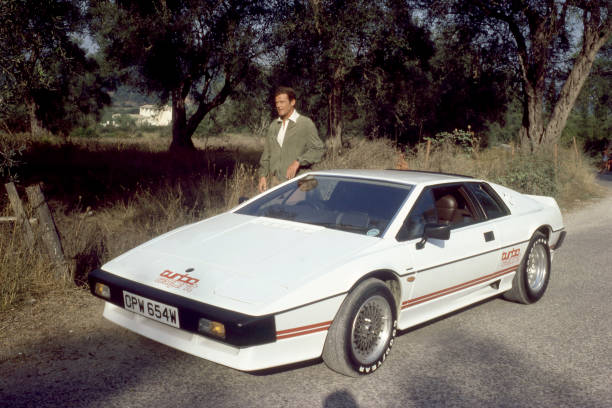
In February 1980 everything changed. At the Geneva Motor Show, Lotus unveiled the Esprit Turbo — powered by a 2.2-litre turbocharged engine producing 210 bhp. The car was immediately available in the spectacular blue, red and silver Essex livery, the house colours of the Formula 1 sponsor at the time. Only 45 of these Essex Turbos were built, and to this day they remain the most sought-after Esprits among collectors.
From April 1981 the regular production Turbo followed, the S3 Turbo. Less lavishly finished than the Essex, but technically identical. It was this model that appeared in For Your Eyes Only — the film where my Lotus restoration project finds its origins. The S3 Turbo was built until 1987 and for years formed the backbone of the Esprit range.
Series 3 naturally aspirated (1981–1987)
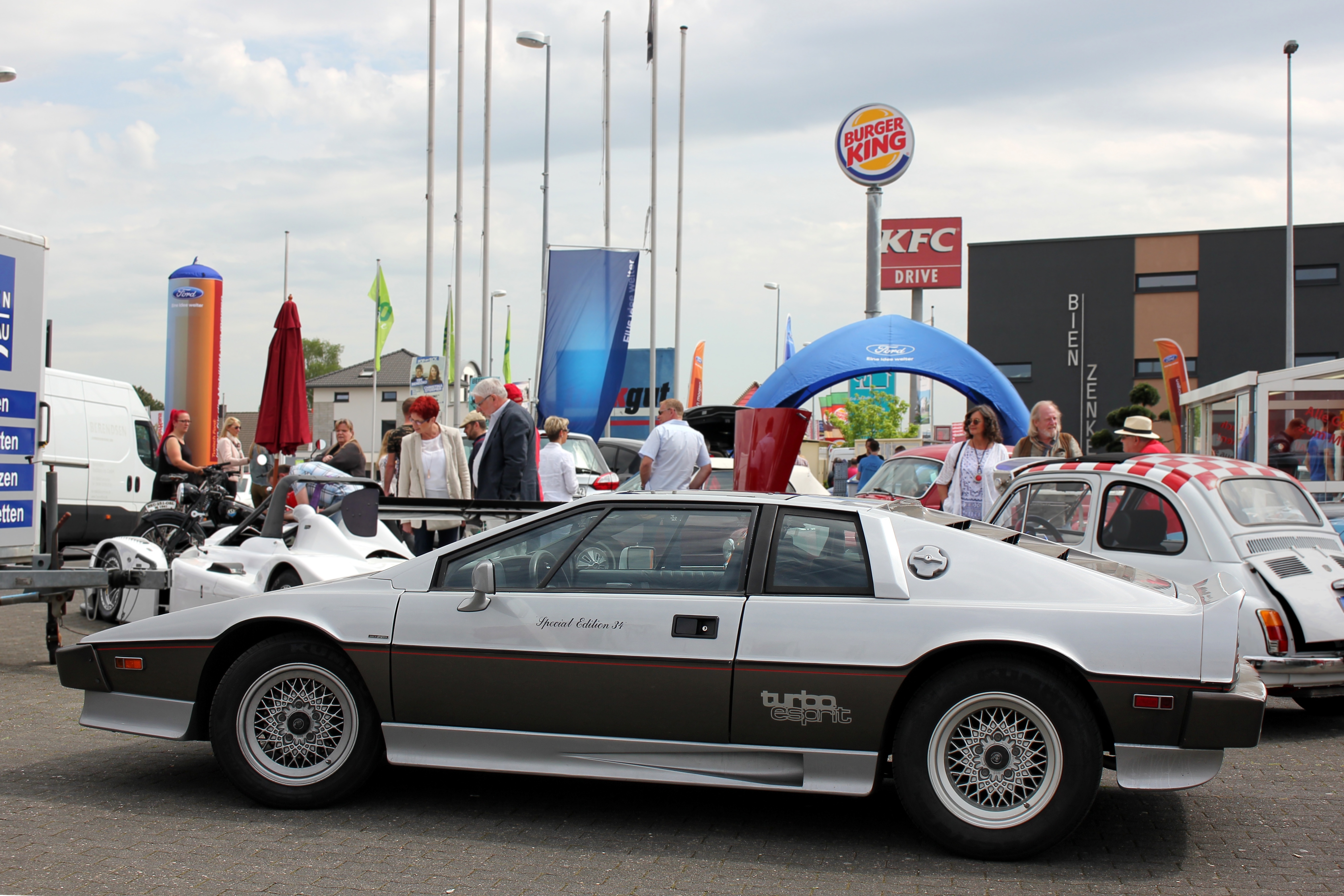
Alongside the turbo version, a naturally aspirated Esprit S3 remained available for buyers who preferred the simplicity of an engine without a turbocharger. The S3 shared its body and chassis with the S3 Turbo, but had the 2.2-litre engine without the compressor. In 1986 the HC versions (High Compression) appeared with higher-compression engines: the naturally aspirated HC produced 170 bhp, the Turbo HC 215 bhp. These were the last Esprits with the original Giugiaro body.
The Stevens Esprit (1987–1993)
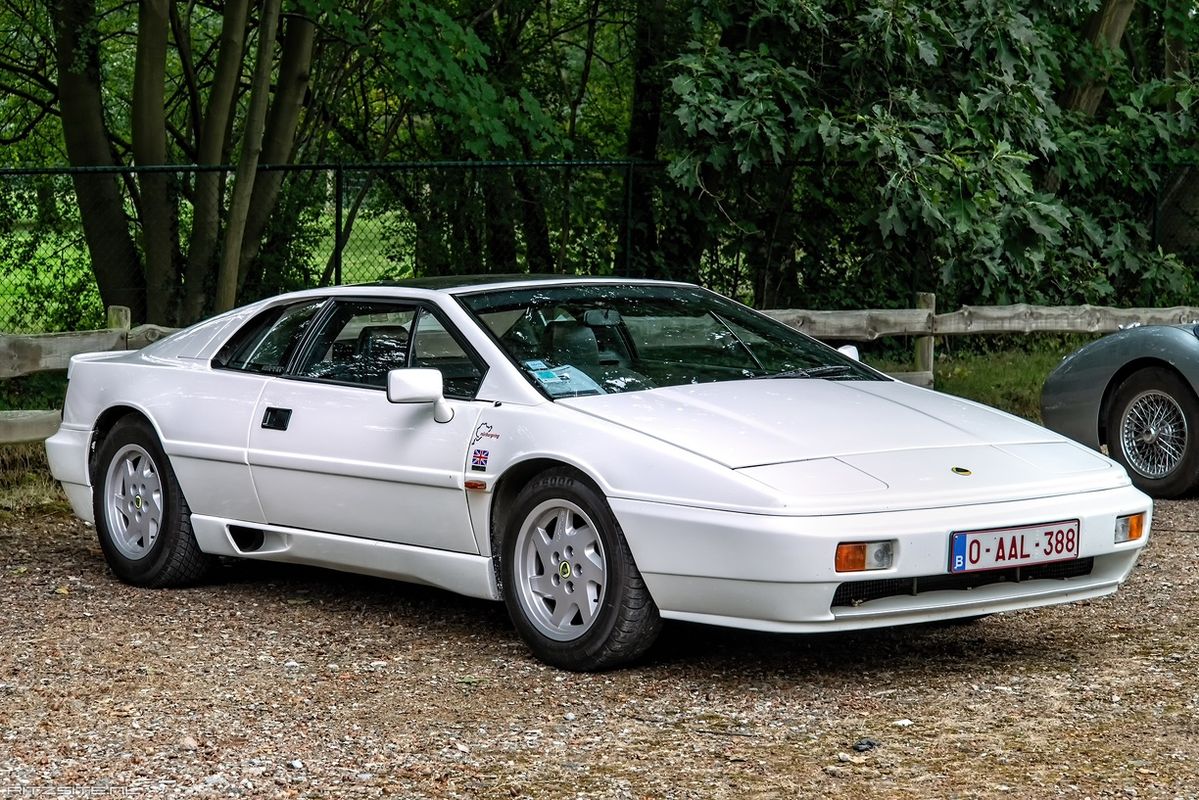
In October 1987 Lotus presented a completely redesigned Esprit. The brief to designer Peter Stevens was: modernise the look, but leave the mechanicals alone. Stevens, assisted by Colin Spooner and Ken Sears, gave the Esprit rounder shapes, a different nose and an entirely new interior. The recognisable pop-up headlights stayed, but Giugiaro's sharp lines gave way to a smoother silhouette.
The Stevens Esprit would remain in production from 1987 through to 2004 — in various guises with ever-increasing power. The 1989 Turbo SE was the first fuel-injected water-cooled turbo version, producing 264 bhp. With a 0–100 km/h time of 4.7 seconds, it was unmistakably a supercar in its class.
S4, GT3 and the V8 years (1993–2004)
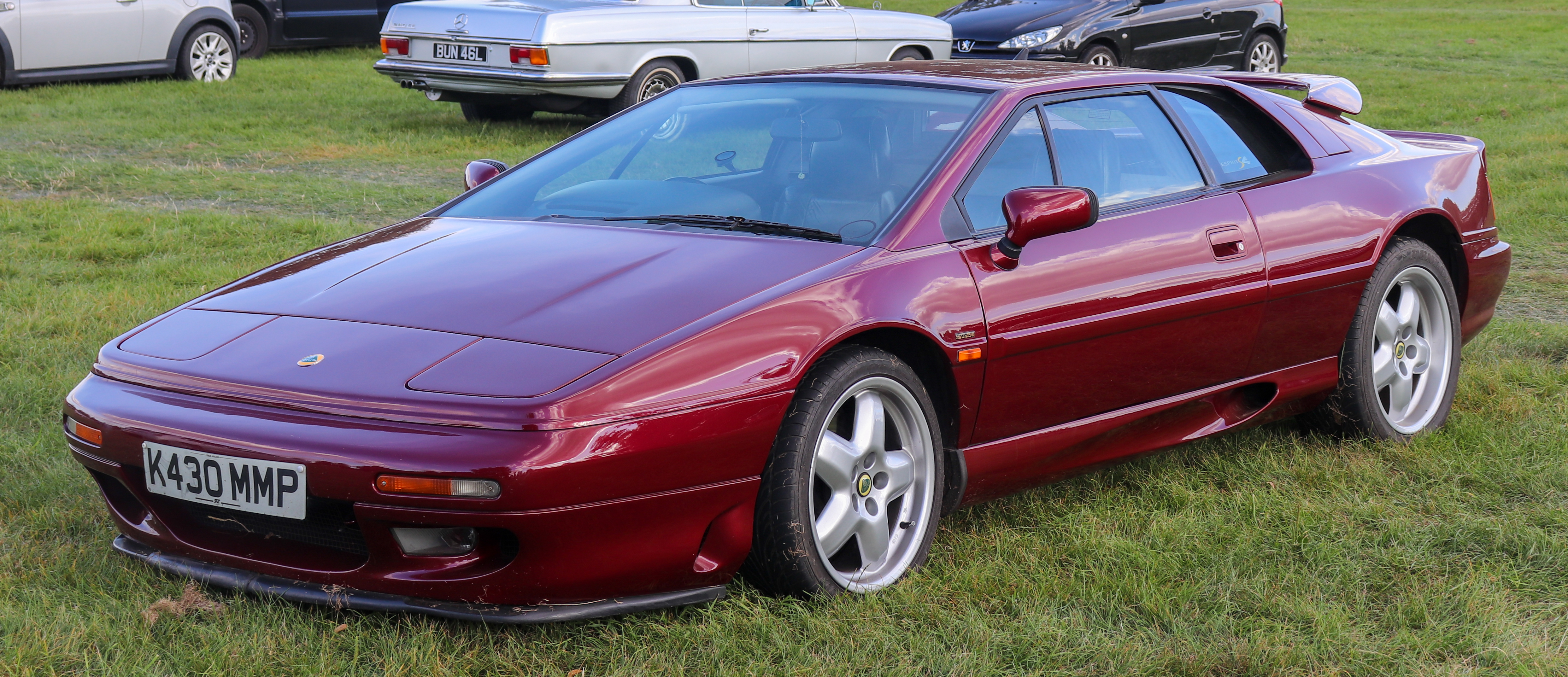
In 1993 Julian Thomson introduced the S4, the first Esprit with power steering and ABS, featuring a revised exterior and interior. The S4s (1995) offered 285 bhp and combined the comfort of the S4 with the sharpness of the Sport 300. Alongside the S4 line, the GT3 appeared in 1996: the lighter, stripped-back four-cylinder Esprit without rear wing, producing 240 bhp. Light, pure and agile — it became a firm favourite among driving enthusiasts.
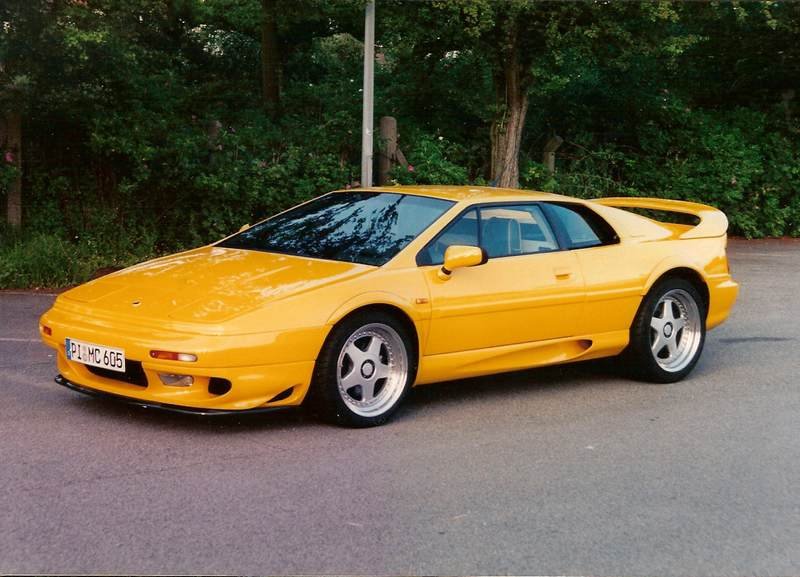
The biggest step in Esprit history after the introduction of the turbo was the arrival of the V8 in 1996. Lotus designed an entirely new 3.5-litre twin-turbo V8 producing 350 bhp — recognisable by the red cam covers. The V8 Esprit was available in three variants: V8 (standard), V8 SE (luxury) and V8 GT (sport). In 1999 the limited-run Sport 350 followed, of which only 42 were built.
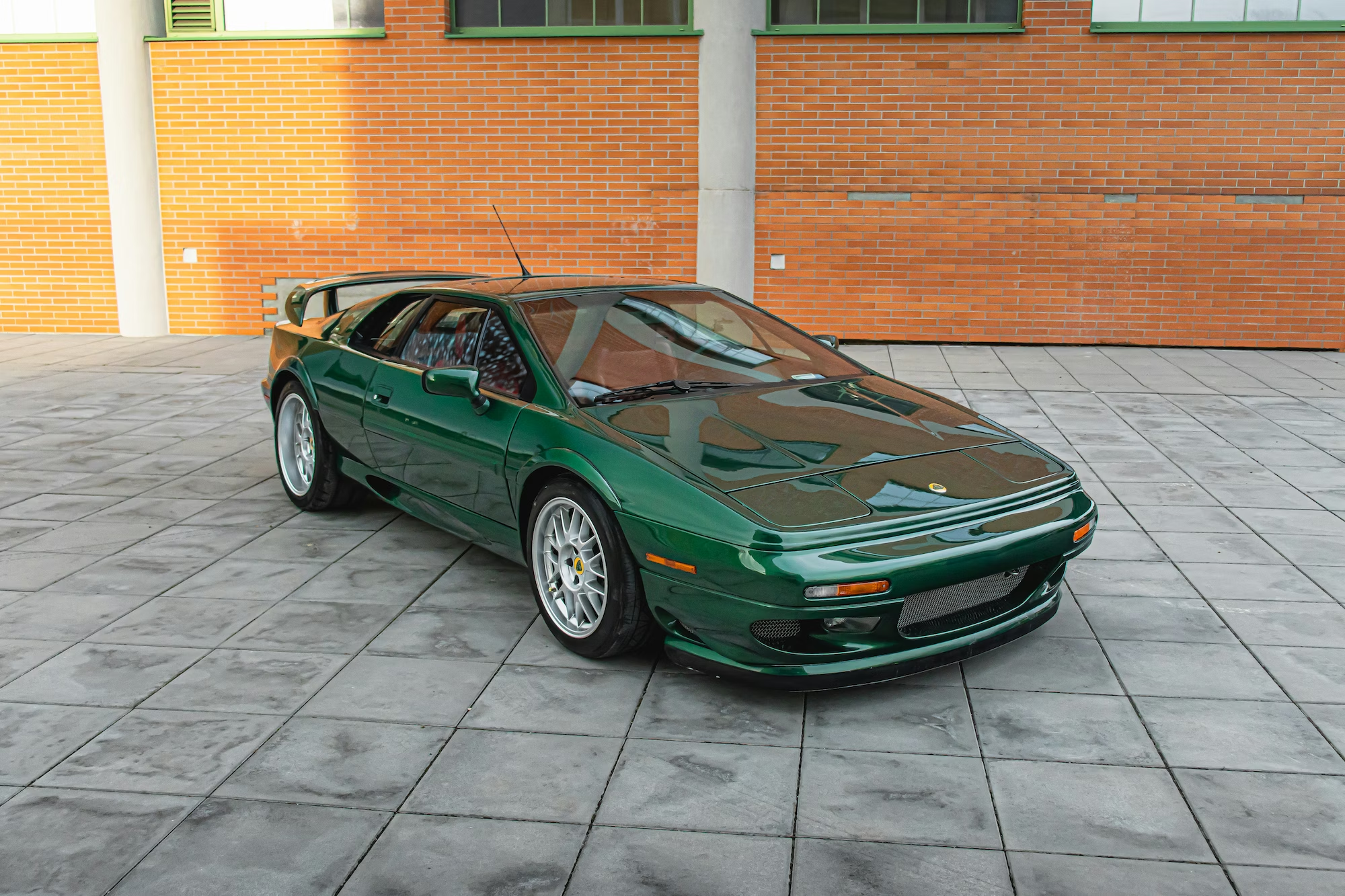
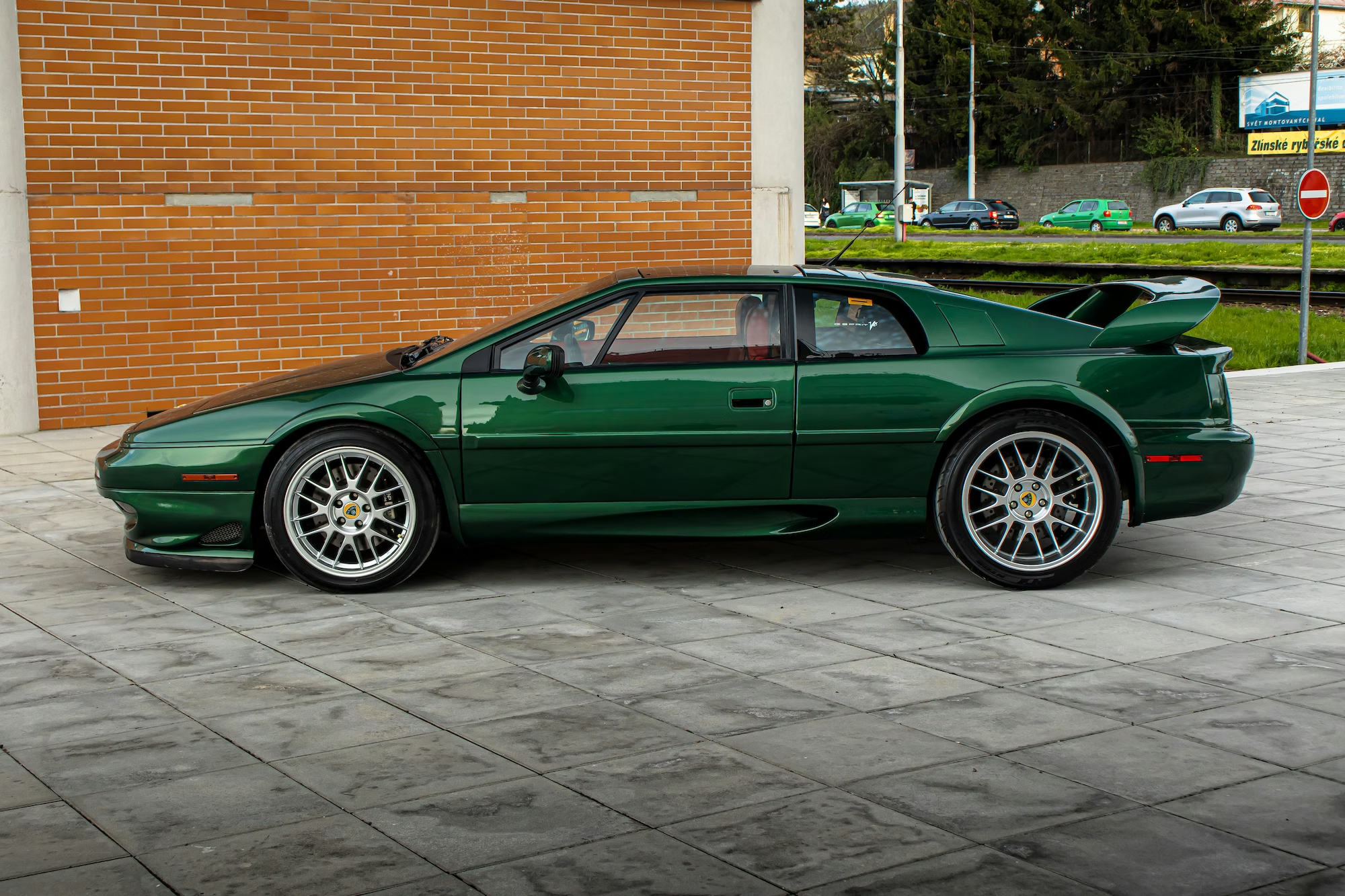
In 2002 the Esprit received its final facelift, carried out by Russell Carr. The round tail lights, borrowed from the Elise S2, and a lip spoiler at the front gave the car a fresher look. The very last examples, the Final Edition, were built in a run of 79 between 2002 and 2004. On 20 February 2004 the last Esprit — a saffron yellow V8 with chassis number 10621 — rolled off the production line in Hethel. It was shipped to the United States. In total, 10,675 Esprits were built over a period of 28 years.
Production numbers by model
A total of 10,675 Esprits left the Hethel factory over a production period of 28 years. That works out to an average of 381 cars per year — a figure that illustrates just how rare the Esprit has always been. Peak production year was 1988, with 1,058 cars built.
| Model | Period | Engine | Built |
|---|---|---|---|
| Giugiaro era | |||
| Esprit S1 | 1976–1977 | 2,0L 907, 160 bhp | 864 |
| Esprit S2 | 1978–1980 | 2,0L 907, 160 bhp | 1.072 |
| Esprit S2 JPS Special | 1978 | 2,0L 907, 160 bhp | ~149 |
| Esprit S2.2 | 1980–1981 | 2,2L 912, 160 bhp | 88 |
| Essex Turbo Esprit | 1980–1981 | 2,2L turbo, 210 bhp | 45 |
| Esprit S3 | 1981–1987 | 2,2L 912, 160 bhp | 767 |
| Esprit S3 Turbo | 1981–1986 | 2,2L turbo, 210 bhp | 1.215 |
| Esprit HC / Turbo HC | 1986–1987 | 2,2L HC & turbo HC | 429 |
| Stevens era | |||
| Esprit Turbo | 1987–1989 | 2,2L turbo, 215 bhp | 506 |
| Esprit Turbo SE | 1989–1993 | 2,2L turbo, 264 bhp | 1.608 |
| Esprit Sport 300 | 1992–1993 | 2,2L turbo, 300 bhp | ~8 |
| Esprit S4 | 1994–1995 | 2,2L turbo, 264 bhp | 515 |
| Esprit S4s | 1995–1996 | 2,2L turbo, 285 bhp | 198 |
| Esprit GT3 | 1996–1997 | 2,0L turbo, 240 bhp | 161 |
| V8 era | |||
| Esprit V8 / V8 SE / V8 GT | 1996–2001 | 3,5L V8 twin-turbo, 350 bhp | 579 |
| Esprit Sport 350 | 1999 | 3,5L V8 twin-turbo, 350 bhp | 42 |
| Esprit V8 (facelift) | 2001–2002 | 3,5L V8 twin-turbo, 350 bhp | 246 |
| Esprit V8 Final Edition | 2002–2004 | 3,5L V8 twin-turbo, 350 bhp | ~79 |
| Total produced | 10.675 | ||
Production numbers are based on data from Lotus Cars, Lotus Esprit World and lotusespritfactfile.com. Some figures are estimates due to incomplete factory records.